
Eraser clone
An open-source Eraser.io clone using Next.js, Tailwind CSS, Shadcn/UI, Convex DB, and Kinde Auth, showcasing modern web app development.
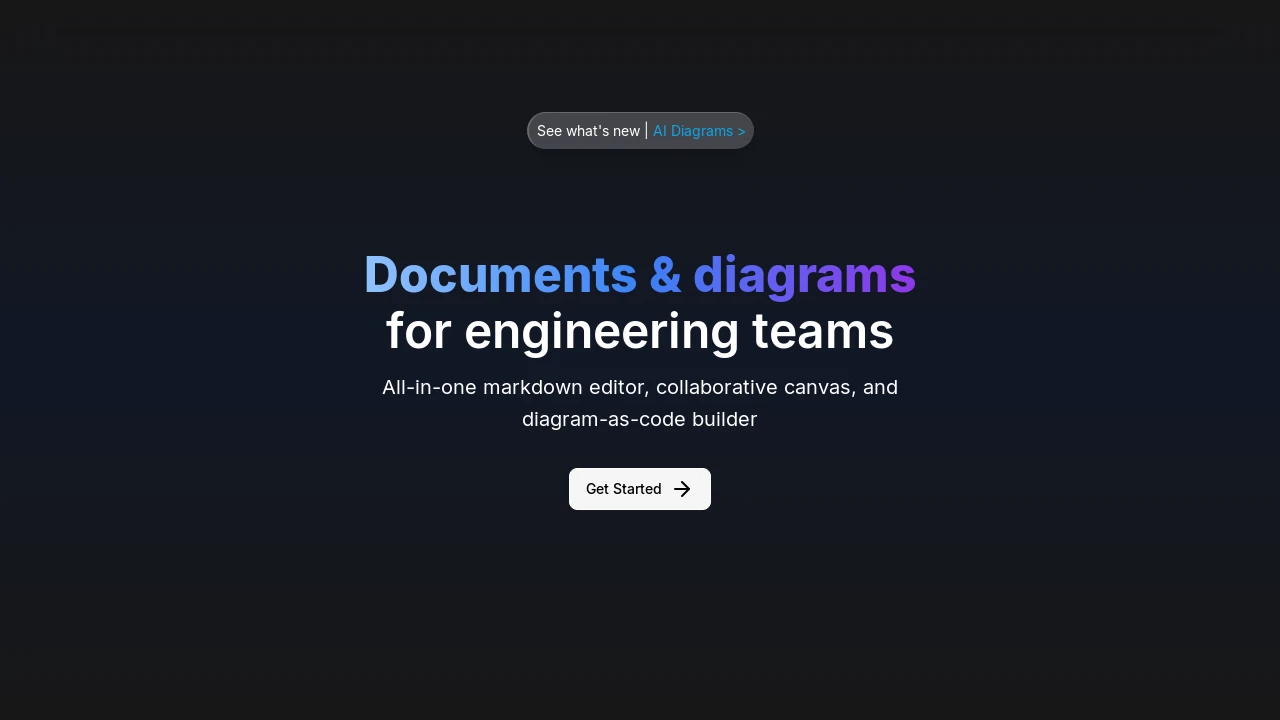
Eraser.io Clone: Showcase of Modern Web Development with Next.js
Explore this open-source clone of Eraser.io, meticulously developed using a state-of-the-art technology stack. This project serves as a practical demonstration of building complex web applications, leveraging Next.js 14 for its powerful rendering capabilities, Tailwind CSS for efficient styling, Shadcn/UI for polished components, Convex Database for real-time data handling, and Kinde Authentication for robust security. It's an ideal resource for developers looking to understand and implement these modern web technologies.
Features:
- Next.js 14 Framework: Utilizes the latest Next.js version, demonstrating its features for building performant web applications.
- Tailwind CSS Integration: Employs Tailwind CSS for a utility-first styling approach, enabling efficient UI design.
- Shadcn/UI Components: Leverages Shadcn/UI for a collection of reusable and accessible UI elements.
- Convex Database Backend: Integrates Convex Database for real-time data persistence and backend operations.
- Kinde Authentication System: Implements Kinde for secure user authentication and identity management.
- Eraser.io Clone Focus: Aims to replicate core functionalities of Eraser.io, such as document editing and diagram creation, including features like a markdown editor and collaborative canvas.
- Modern Tech Stack Showcase: Serves as a practical demonstration of using Next.js, Tailwind CSS, Shadcn/UI, Convex, and Kinde Authentication together in a cohesive project.
- Open-Source Development: The project is open-source, inviting collaboration and community involvement to enhance its capabilities.
Summary:
This Eraser.io clone project provides a tangible example of integrating Next.js 14, Tailwind CSS, Shadcn/UI, Convex, and Kinde Auth to build a feature-rich application. It focuses on replicating functionalities for collaborative documentation and diagramming, offering insights into modern full-stack development practices. Developers can study its architecture, contribute to its growth, or use it as inspiration for their own sophisticated web projects aiming for real-time collaboration and intuitive user interfaces.

Similar to Eraser clone:
 SERP BLOCKS